Safe Homes, Pest-Free Life

Effective Homemade Tips to Get Rid of Cockroaches Naturally
Effective Homemade Tips to Get Rid of Cockroaches Naturally
1/10/202610 min read
The Cockroach Plague
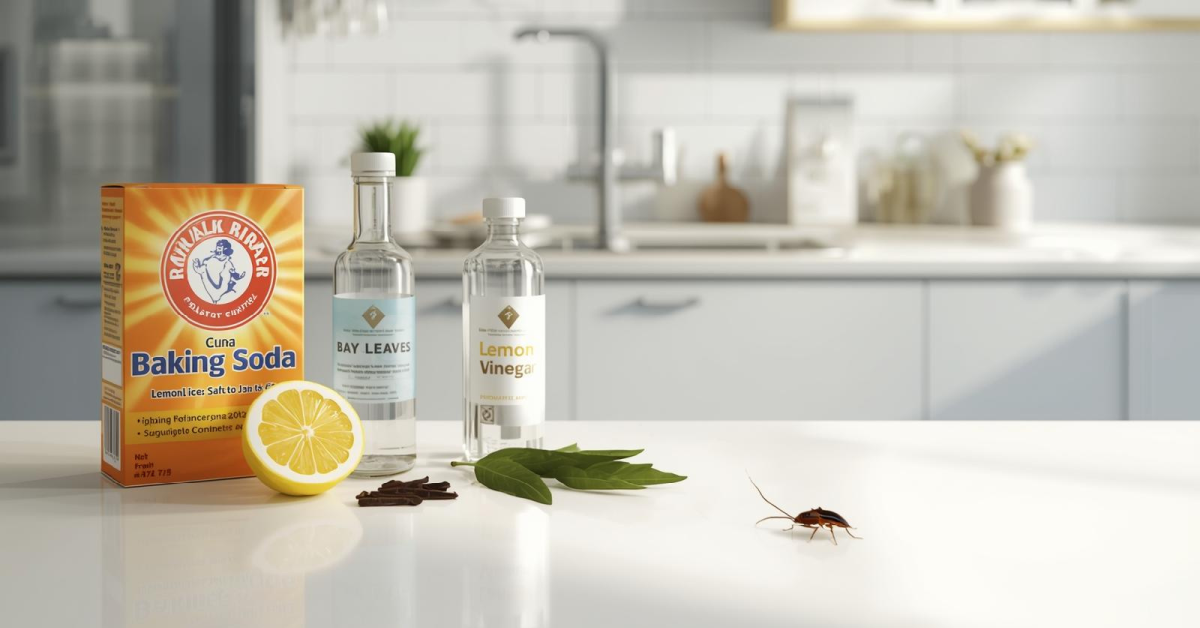
Cockroaches are a widespread nuisance in households around the world, known for their remarkable resilience and adaptability to various environments. Their presence is often a source of disgust and alarm for homeowners, as they are considered one of the most challenging pests to eliminate. With over 4,500 species identified, it is the German cockroach and the American cockroach that are most commonly found infiltrating homes.
These pests are not only unpleasant to observe but also pose health risks due to their ability to carry pathogens. Cockroaches are known to trigger allergies and asthma, particularly in children, and can contaminate food and surfaces with harmful bacteria. This threat to hygiene and health underscores the importance of addressing infestations promptly and effectively.
Their remarkable resilience is attributed to their biology; cockroaches can survive without food for weeks and have a high reproductive rate, allowing populations to expand rapidly. Once they inhabit an area, they can be difficult to dislodge, often requiring extensive measures to control. While many households resort to chemical pesticides in an effort to remove these pests, such solutions may not only prove ineffective but could also pose health risks to inhabitants and pets.
This blog post will focus on homemade remedies, providing readers with practical and safe solutions to combat cockroach infestations. Utilizing ingredients readily available at home can help to create effective traps and deterrents without the need for harmful chemicals. As we explore various strategies to eradicate these unwelcome guests, our aim is to equip homeowners with the necessary knowledge to reclaim their living spaces from these resilient pests.
Understanding Cockroach Behavior
Cockroaches are resilient pests that can adapt to various environments, making them challenging to eliminate. Their behaviors and habits provide insight into why they thrive in homes and how we can implement effective strategies to combat them. One of the primary attractions for cockroaches is food. They are omnivorous creatures that feed on a wide range of organic materials, including leftovers, crumbs, and even non-food items such as paper and soap. This versatility in diet means that any remnants of food, regardless of how small, can attract cockroaches into your living space.
In addition to food, cockroaches require water to survive. They can go without food for extended periods, but they are unable to survive without water longer than a week. Cockroaches are drawn to moisture-rich areas, such as kitchens and bathrooms, where they can find leaks, spills, and condensation. Therefore, controlling moisture and ensuring that food sources are kept sealed and cleaned up can significantly reduce the likelihood of a cockroach infestation.
Moreover, cockroaches seek shelter to hide from predators and to breed. They prefer dark, warm environments where they can easily conceal themselves. Common hiding spots include under sinks, behind appliances, and in cracks or crevices. Their nocturnal nature also means they are most active during the night, foraging for food and water. Understanding these behaviors is crucial for developing effective homemade elimination strategies.
To combat cockroaches effectively, it is essential to eliminate their access to food, water, and shelter. Regular cleaning, sealing entry points, and addressing plumbing issues can significantly contribute to making your home less hospitable for these pests. By recognizing how cockroaches behave and what attracts them, homeowners can implement preventive measures that reduce the chances of infestation.
Boric Acid: The Secret Weapon
Boric acid has gained recognition as a potent insecticide against cockroaches, effectively disrupting their digestion and ultimately leading to their demise. This compound works by being ingested by the cockroach when they groom themselves after coming into contact with it. Once ingested, boric acid causes dehydration and severe damage to their gastrointestinal system.
To prepare a boric acid solution, you can mix it with equal parts of granulated sugar and water. The sugar acts as bait, attracting the cockroaches to the boric acid. Alternatively, for a dry method, simply sprinkle a light dusting of boric acid powder in areas where cockroaches are frequently observed, such as under sinks, behind appliances, and in dark corners. Be cautious, however, to avoid applying excessive amounts, as this can deter cockroaches instead of luring them in.
When using boric acid in the home, safety precautions are essential. Ensure that it is kept out of reach from children and pets, as ingestion can be harmful. It is recommended to wear gloves to prevent skin contact, as prolonged exposure can lead to skin irritation. Additionally, when applying boric acid, aim for hidden areas, reducing the chances of accidental exposure to humans or pets.
Another important consideration is to maintain a clean environment. Before applying boric acid, it is vital to eliminate food and water sources that attract cockroaches. Ensuring that surfaces are clean and free of crumbs will increase the efficiency of boric acid as a cockroach deterrent. Used consistently and carefully, boric acid can significantly reduce cockroach presence in your home, making it an effective tool in your pest control arsenal.
The Power of Baking Soda
Baking soda is a potent, non-toxic solution for dealing with cockroaches, often cited as one of the more effective homemade remedies. When combined with sugar, it becomes even more appealing as a cockroach killer. The science behind this method lies in the dual action of these two ingredients. Sugar serves as bait, attracting the roaches, while baking soda, when ingested, disrupts their internal system, leading to their demise.
To create this effective remedy, you can easily mix equal parts of baking soda and sugar. This combination should be strategically placed in areas where cockroaches are frequently seen, such as corners, under sinks, and near trash areas. The key to success with this method is to ensure that the mixture remains dry. If it gets wet, it may lose its efficacy. Therefore, it’s advisable to check and replace the mixture every few days to maintain its potency.
Another effective method is to place this mixture in shallow containers or lids to minimize the risk of contamination from other substances in your home. The roaches will consume the sugar, and as they do so, they will also ingest the baking soda that will ultimately disrupt their digestive processes. This method not only eliminates roaches over time but also limits the use of harsh chemicals, making it a safer choice for households with children and pets.
In addition, using baking soda in conjunction with other cleanliness habits can enhance effectiveness. Keeping your surfaces clean and free from food crumbs will ensure that the sugar in your mixture is the primary food source that attracts these pests. Thus, maintaining a tidy environment in combination with baking soda and sugar can significantly reduce the cockroach population in your home.
Essential Oils: A Natural Deterrent
Essential oils are increasingly recognized for their pest-repellant properties, particularly in relation to cockroaches. Oils such as peppermint, tea tree, and eucalyptus not only serve as aromatic enhancers in the home but also act as effective deterrents against these unwelcome visitors. The inherent compounds found in these oils disrupt the sensory receptors of cockroaches, making it challenging for them to navigate and locate food resources.
Peppermint oil is among the most effective oils in repelling cockroaches. Its strong scent overwhelms the olfactory senses of these pests, driving them away from treated areas. To utilize peppermint oil, mix approximately 10-15 drops with water in a spray bottle and apply it in areas where roaches are frequently seen or suspected, such as kitchens and bathrooms. This method not only helps to keep cockroaches at bay but also leaves a refreshing scent in your home.
Tea tree oil is another potent repellent due to its antifungal and antibacterial characteristics. To use tea tree oil as a deterrent, combine 10 drops of the oil with water and spray it in infested areas. This technique can create an uninviting environment for cockroaches while promoting a cleaner space free from harmful microbes.
Additionally, eucalyptus oil has gained attention for its ability to not only repel cockroaches but also treat existing infestations. By mixing eucalyptus oil with a carrier oil, homeowners can create a topical application for areas where bugs may congregate. While the pleasant aroma of these oils promotes a calming atmosphere, their effectiveness in pest control provides a dual benefit.
Incorporating essential oils into your pest control regimen offers a natural and eco-friendly approach to combating cockroaches, effectively maintaining a healthier living space while reducing reliance on chemical treatments.
Vinegar: Cleaning and Repelling
Vinegar, particularly white vinegar, is a versatile household item known for its cleaning properties and its ability to serve as a repellent for cockroaches. The efficacy of vinegar derives from its acetic acid content, which can eliminate odors, including the pheromones left by cockroaches, discouraging them from returning to the areas where they have been previously present.
To utilize vinegar as a cleaning solution, a simple recipe can be employed. Combine equal parts of white vinegar and water in a spray bottle. This solution can be applied to surfaces where cockroaches are likely to hide or travel, such as countertops, sinks, and cabinet spaces. The vinegar works by removing the pheromones that attract other cockroaches and also sanitizes the area, reducing the likelihood of infections.
Focus on applying this vinegar solution in areas that are prone to roach activity, such as kitchens and bathrooms. Pay special attention to gaps between cabinets, behind appliances, and under sinks. Regular cleaning with this solution can create an inhospitable environment for cockroaches and may deter them from establishing nests in your home.
In addition to serving as a cleaning agent, vinegar can function effectively as a repellent. Its strong smell can deter cockroaches when sprayed in areas such as entry points, baseboards, and corners. For enhanced effectiveness, consider adding a few drops of essential oils, such as peppermint or eucalyptus, to the vinegar solution; these oils are also known to repel pests, further strengthening the deterrent properties of your cleaning process.
Diatomaceous Earth: A Natural Insecticide
Diatomaceous earth (DE) is a naturally occurring soft rock that is crushed into a fine powder, primarily composed of the fossilized remains of tiny aquatic organisms known as diatoms. This substance is renowned for its effectiveness as a natural insecticide against a variety of pests, including cockroaches. The mechanism by which diatomaceous earth operates is straightforward yet efficient; when cockroaches come into contact with the powder, its abrasive properties damage their exoskeletons, leading to dehydration and eventual death.
When using diatomaceous earth as a means to eliminate cockroaches, safety should be a paramount concern. It is essential to opt for food-grade diatomaceous earth, as this variant is safe for use around pets and humans. Unlike chemical insecticides, which can pose health risks, food-grade DE is non-toxic and an environmentally friendly alternative. However, while it is considered safe, it is still advisable to avoid inhaling the powder, as it can be irritating to the lungs.
To maximize its effectiveness in controlling cockroach populations, diatomaceous earth should be sprinkled in areas where cockroaches are frequently seen or may hide. Key locations include under sinks, behind appliances, along baseboards, and in cracks or crevices commonly used by these pests. A thin layer is sufficient; an overly thick application can deter roaches from crossing through it entirely. It is important to monitor the area and reapply the powder as necessary, especially after cleaning or in damp environments that may cause the diatomaceous earth to become less effective.
Creating Natural Traps for Cockroaches
Cockroaches are notorious for invading our homes, seeking food and shelter. One effective way to eliminate them involves creating homemade traps using common household items. Two popular methods utilize beer or soapy water as an enticing lure to capture these pests. Below is a step-by-step guide on how to make these natural traps.
Beer Traps
Using beer as bait is a particularly effective method, as the aroma attracts cockroaches. To create a beer trap, follow these steps:
Gather Materials: You will need a small bowl or container, a bottle of inexpensive beer, and a piece of cardboard.
Prepare the Trap: Pour about an inch of beer into the bowl. This will entice the cockroaches into the trap.
Position the Trap: Place the bowl in areas where you have noticed cockroach activity, such as under the sink or behind appliances.
Monitor the Trap: Regularly check the bowl for trapped cockroaches. Dispose of the contents promptly to avoid attracting more pests.
Soapy Water Traps
Another effective homemade trap involves soapy water, which suffocates cockroaches upon contact. To make a soapy water trap, follow these steps:
Gather Materials: You will need a shallow dish, liquid dish soap, and water.
Prepare the Mixture: Mix a few drops of dish soap with water in the shallow dish. The soap breaks the surface tension of the water, preventing the cockroaches from escaping.
Set the Trap: Position the dish in areas where cockroaches are frequently seen.
Check Regularly: Inspect the dish for trapped cockroaches and dispose of them safely.
Both these traps not only help control the cockroach population within your home but also use organic materials that are safe for the environment. Using cushions like beer and soapy water can effectively lure and capture cockroaches, enabling you to maintain a pest-free space.
Regular Cleaning: Prevention Is Key
Maintaining a clean living environment is essential for preventing cockroach infestations. Regular cleaning not only eliminates food sources that attract cockroaches but also helps to remove potential nesting sites. A consistent cleaning routine can be highly effective in keeping these unwanted pests at bay.
Start by focusing on the kitchen, as this is often the primary area that draws cockroaches due to food remnants. Wipe down countertops daily to ensure that crumbs and spills are promptly cleaned. Pay particular attention to areas under appliances such as the refrigerator and stove, where food particles may accumulate unnoticed. Regularly sweeping and mopping the floors can also mitigate the risk of attracting cockroaches.
Furthermore, it's crucial to address trash management. Ensure that all garbage is securely contained in bins with tight-fitting lids. Dispose of trash regularly and avoid letting it pile up, as this can serve as a food source for cockroaches. Likewise, ensure that recyclables such as cans and bottles are rinsed before being placed in recycling bins.
In addition to the kitchen, you should also focus on other areas of the home. Dust and vacuum regularly to eliminate debris and potential hiding spots for cockroaches. This includes locations such as baseboards, behind furniture, and within closets. If you have pets, regularly clean their feeding areas, as leftover pet food can also attract pests.
Implementing these cleaning practices will significantly reduce the likelihood of future cockroach infestations. Achieving and maintaining cleanliness throughout your home creates an environment that is less inviting to these pests, ensuring you can enjoy a comfortable, roach-free living space. Staying vigilant with regular cleaning routines is the most effective preventive measure against cockroaches.
Conclusion: The Ongoing Battle Against Cockroaches
In the ongoing struggle against cockroaches, it is essential to employ a combination of strategies to effectively eliminate these resilient pests from our homes. Throughout this blog post, we have explored a range of homemade solutions, each offering unique benefits in managing cockroach infestations. From natural repellents to effective traps, these tips can significantly contribute to a pest-free living environment.
It's imperative for households to not just rely on a single method but rather to use multiple tactics in tandem for the best results. For example, pairing a preventive approach, such as sealing entry points, with bait solutions can create a more comprehensive defense. Additionally, maintaining cleanliness by regularly disposing of food waste and decluttering can make your home less inviting to cockroaches, amplifying the effectiveness of your chosen methods.
The key to truly overcoming a cockroach problem rests in persistence and vigilance. Regularly monitoring for any signs of resurgence and promptly addressing new occurrences can prevent a small issue from escalating into a larger infestation. Continued efforts in applying these homemade tips will equip you with the necessary tools to maintain an environment free from these unwelcome insects.
In conclusion, maintaining a proactive stance and employing a variety of tactics is crucial in dominating the persistent issue of cockroaches. Through consistent efforts and the strategic use of natural solutions outlined above, you can reclaim your space and ensure that your home remains a comfortable sanctuary, free from these resilient pests.