Safe Homes, Pest-Free Life

“Professional Pest Control Solutions for a Safe & Healthy Home”
“Professional Pest Control Solutions for a Safe & Healthy Home”
1/10/20267 min read
Understanding the Pest Problem
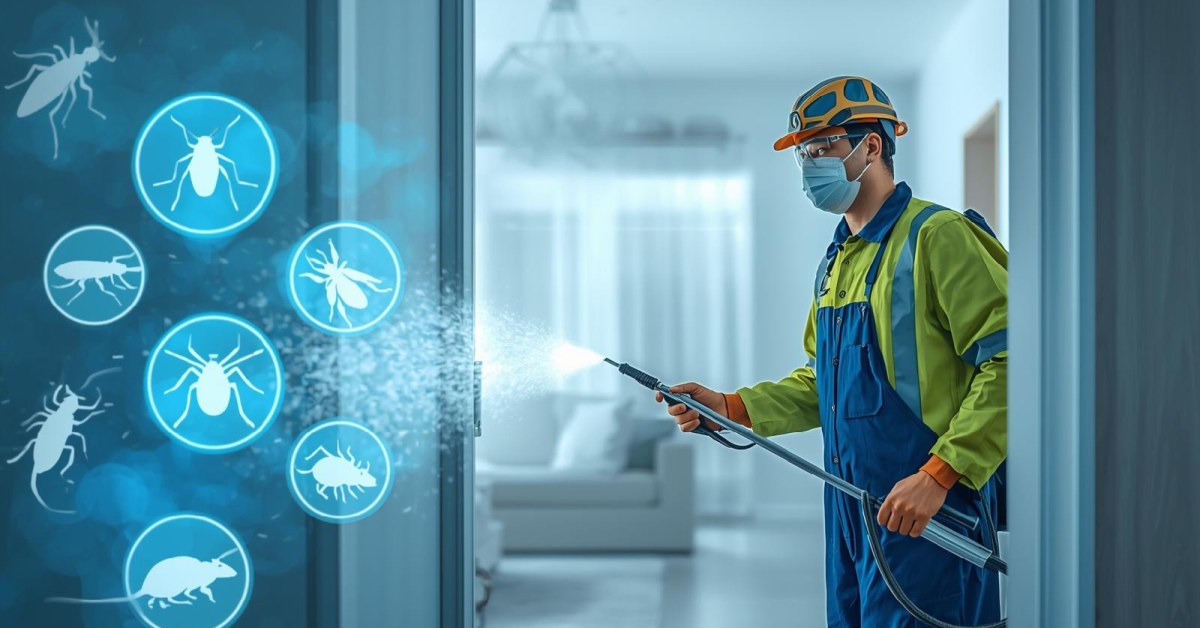
Household pests are not just a nuisance; they can pose serious health risks and cause significant damage to property. Common household pests include ants, cockroaches, rodents, termites, and bed bugs. Each of these pests exhibits unique behaviors that contribute to their survival and proliferation in human environments. For instance, ants are social insects that establish colonies, while cockroaches are known for their rapid reproduction rates. Understanding these behaviors is crucial in devising effective pest control strategies.
Pests invade homes for a variety of reasons, primarily in search of food, water, and shelter. Kitchens and pantries, where food is readily available, are often prime targets for pests. Additionally, pests are attracted to areas that provide shelter, such as attics, basements, and cracks in walls. Certain climate conditions, such as warmth and humidity, further exacerbate the problem, making homes in such environments particularly susceptible to infestations.
The damage caused by these pests can be extensive. Termites, for example, can weaken the structural integrity of a home by feeding on wood. Rodents can chew through electrical wires, leading to fire hazards. Furthermore, many pests are carriers of diseases that can affect humans and pets alike. Cockroaches, for instance, are known to spread allergens and pathogens that can trigger asthma and other respiratory issues.
Addressing pest problems promptly and effectively is essential to protecting your home and health. Ignoring the signs of a pest infestation can lead to more severe and costly problems down the line. It is vital for homeowners to remain vigilant and take preemptive measures to safeguard their living spaces from unwanted invaders. With the right pest control services, it is possible to maintain a pest-free environment and enjoy peace of mind.
The Consequences of Pest Infestations
Pest infestations can have severe repercussions that extend far beyond mere nuisances. These infestations pose significant health risks, can lead to substantial property damage, and may result in considerable economic impacts for homeowners and businesses alike.
One of the most alarming consequences of pest infestations is their potential to aggravate existing health conditions. For example, cockroaches and dust mites are known allergens that can exacerbate asthma and other respiratory issues. According to the National Pest Management Association, approximately 20 million Americans suffer from asthma, and the presence of these pests can trigger attacks or worsen symptoms, highlighting the critical need for effective pest control.
Moreover, numerous pests are vectors for diseases that can pose serious threats to human health. Rodents, for instance, are known carriers of diseases such as hantavirus and leptospirosis. The financial implications of treating such illnesses can be staggering. In 2019, the Centers for Disease Control and Prevention reported that rodent infestations resulted in an estimated annual cost of $1.2 billion in healthcare and lost productivity in the United States alone.
In addition to health risks, pest infestations can wreak havoc on property integrity. Termites, notorious for their destructive feeding habits, cause billions of dollars in damages annually across the United States. Home and business owners often incur expensive repairs, and in some cases, structural damages can be so severe that properties are deemed unsafe for habitation.
Failing to address pest problems immediately can lead to escalating issues, creating an urgent need for professional pest control services. Ignoring the signs of infestations only exacerbates the problem, leading to higher costs and increased health hazards. Engaging smart, effective pest control not only protects health and property but also offers peace of mind, safeguarding one's investment against the pervasive threats posed by pests.
Choosing the Right Pest Control Service
When it comes to selecting a pest control service, several key factors demand careful consideration. Understanding these elements can significantly enhance your ability to choose a provider that meets your specific needs while ensuring effective pest management.
First and foremost, it is crucial to verify the certifications and licenses held by the pest control service. Reputable companies should be certified by relevant state or national authorities. This certification typically indicates that the service has complied with the necessary regulations and standards for safety and effectiveness, ensuring they utilize methods that protect both your property and the environment.
Next, review the range of services offered by the pest control provider. Some companies specialize in certain types of pests, while others provide a broader array of treatments. Determine your specific pest problem and ensure the service can address it comprehensively. Additionally, inquire about the techniques and products they use; many consumers today prefer environmentally friendly or organic methods that minimize harm to non-target organisms.
Another critical factor is the reputation of the pest control company within the community. Online reviews and testimonials can provide insight into the experiences of previous customers. Look for patterns in feedback regarding efficiency, professionalism, and customer service. A provider with a strong positive reputation is more likely to deliver satisfactory results.
Finally, consider requesting quotes from multiple pest control services. This will allow you to compare pricing structures and service packages. However, avoid selecting a provider solely based on cost; the cheapest option may not always equate to the best service. A balanced evaluation of cost, reputation, and service offerings will lead to a more informed decision when choosing your pest control provider.
Smart and Effective Pest Control Techniques
Modern pest control has evolved significantly over the years, leading to the development of smarter and more effective techniques that prioritize long-term solutions. Among these is Integrated Pest Management (IPM), a holistic approach that combines different strategies to manage pests sustainably. IPM emphasizes the importance of understanding pest biology, ecology, and behavior, allowing professionals to make informed decisions on the most suitable control measures. This method not only minimizes pesticide use but also reduces the risks associated with chemical exposure.
In addition to IPM, eco-friendly pest control options have gained popularity in recent years. These techniques utilize natural pesticides, biological controls, and habitat manipulation to address pest issues without harming the environment. For example, introducing beneficial insects, such as ladybugs, can help control aphid populations in gardens. Furthermore, organic pesticides derived from plant extracts or microbial substances are increasingly being favored for their minimal impact on human health and ecosystems. Eco-friendly options not only contribute to pest management but also promote a healthier living environment.
Chemical approaches still play a significant role in pest control, particularly for severe infestations. Modern formulations are designed to target specific pests while minimizing harm to non-target organisms. Integrated with IPM, chemical methods can be strategically applied when necessary, ensuring a balance between effectiveness and environmental safety. The advancement in chemical technologies has led to the development of safer alternatives that can be used responsibly.
By employing a combination of these smart techniques, it is possible to achieve effective pest control that not only addresses immediate concerns but also promotes long-lasting prevention. Ultimately, the choice of approach will depend on the specific context and pest problem, requiring careful consideration of both current needs and future implications.
Do-It-Yourself Pest Control Tips
Homeowners facing minor pest issues can often manage their situation effectively with simple do-it-yourself pest control tips. Proactive prevention is the first step in keeping unwanted guests at bay. Ensuring that your home is sealed properly can significantly reduce the likelihood of pest invasions. Check for and repair gaps or cracks around windows, doors, and foundation. Additionally, ensure that all food items are tightly sealed and stored appropriately, as food scraps and crumbs can attract pests.
Utilizing natural repellents provides an eco-friendly approach to pest control. Ingredients such as vinegar, essential oils, and baking soda can serve as effective deterrents for various pests. For instance, a mixture of water and vinegar can be sprayed in areas where ants are seen, disrupting their scent trails and deterring future visits. Essential oils such as peppermint or lavender can also be used; their strong odors repel insects while leaving behind a pleasant scent.
Maintaining cleanliness is another crucial aspect of DIY pest control. Regularly vacuuming and sweeping your home eliminates debris and crumbs that might attract pests. Pay special attention to high-risk areas such as the kitchen and dining room, ensuring that surfaces are regularly wiped down and sanitized. Garbage should be disposed of properly and kept in sealed containers. Furthermore, addressing moisture problems by fixing leaky pipes and using dehumidifiers can help eliminate the habitats that pests thrive in.
While these DIY methods can help manage small infestations, it is important to note that larger problems may require the expertise of professional pest control services. Having a balanced approach allows homeowners to take control of minor pest issues effectively while recognizing when it is time to seek professional assistance.
The Importance of Regular Pest Control Maintenance
Routine pest control maintenance is a critical factor in safeguarding residential spaces from unwanted infestations. The process involves consistent inspections and treatments that can significantly mitigate the presence of pests, ensuring a sanitary and comfortable living environment. Without regular attention, homes become vulnerable hotspots for various pests, including rodents, insects, and other invasive species that can wreak havoc on property and health.
One of the principal benefits of ongoing pest control is the proactive identification of potential threats before they evolve into full-blown infestations. By scheduling routine inspections, pest control professionals can assess vulnerabilities and address them swiftly, preventing future issues that could be more challenging and expensive to resolve. Furthermore, preventive treatments tailored to specific seasons can be especially effective, as many pests exhibit heightened activity during certain times of the year. For example, warm weather often attracts termites and ants, while colder months can encourage rodents to seek shelter indoors.
In addition to protecting the home, regular pest control maintenance ultimately saves homeowners significant time and money. Engaging in a proactive plan allows for early detection and treatment, reducing the likelihood of extensive damage which can be costly to repair. Moreover, by lowering the risk of a serious infestation, homeowners can avoid emergency pest control services, which typically carry higher expenses than scheduled preventative measures.
With various seasonal pest control plans available, homeowners are encouraged to adopt a tailored approach that suits their specific needs. These plans not only bolster the effectiveness of pest management strategies but also instill confidence that the home is safeguarded against unwanted invaders. In essence, regular pest control maintenance is an investment in home preservation, health, and peace of mind.
Conclusion: A Pest-Free Home is Within Reach
Achieving a pest-free environment requires a strategic approach and a commitment to maintaining hygiene and sanitation in your home. Throughout this blog post, we have outlined essential measures and practices to control and eliminate pests effectively. Our discussion emphasized the critical role that professional pest control services play in ensuring that your living spaces remain free from infestations. By opting for expert assistance, homeowners can take advantage of specialized knowledge, advanced techniques, and environmentally responsible treatments that are often more effective than DIY methods.
Moreover, an important takeaway is the necessity of vigilance in monitoring your home for signs of pest activity. Regular inspections, proper waste management, and proactive maintenance of your property can significantly reduce the risk of infestations. Understanding the behaviors and patterns of common pests will enable you to identify potential issues before they escalate into major problems. Keep in mind that early intervention is key, as it can save you time, stress, and financial resources in the long run.
In light of our insights, it is evident that a pest-free home is not merely a dream but a tangible reality that can be achieved with the right combination of preventive measures and professional support. By being proactive and responsive to pest indications, engaging pest control experts when necessary, and adopting a comprehensive pest management strategy, you can create a safe and comfortable living environment for yourself and your family.